Bangkok for Food Lovers: The Chinatown Dishes That Tell the Story of Thai-Chinese Culture
Bangkok’s Chinatown isn’t just a place to eat — it’s a living record of migration, adaptation, and identity. Every stall, every aroma, every sizzling wok tells a chapter of the Thai-Chinese story.
Walk through Yaowarat, and you’re walking through
decades of heritage, preserved through flavor.
This blog is for the traveler who wants meaning behind each bite — the flavors, the families, and the journey that shaped Thailand’s most iconic dishes.
⭐ The Thai-Chinese Connection: A Story Told Through Food
Long before Chinatown became one of Bangkok’s most famous districts, Chinese migrants brought their traditions here — techniques, seasonings, dim-sum culture, and a deep respect for slow cooking and fresh ingredients.
Over time, these traditions blended with Thai flavors, creating dishes you can’t find anywhere else in the world.
Think of Yaowarat as a cultural fusion kitchen that never sleeps.
🔥 6 Dishes That Tell Real Stories
Each dish on your Foodprint tour is more than a snack — it’s a symbol of community, migration, and culinary evolution.
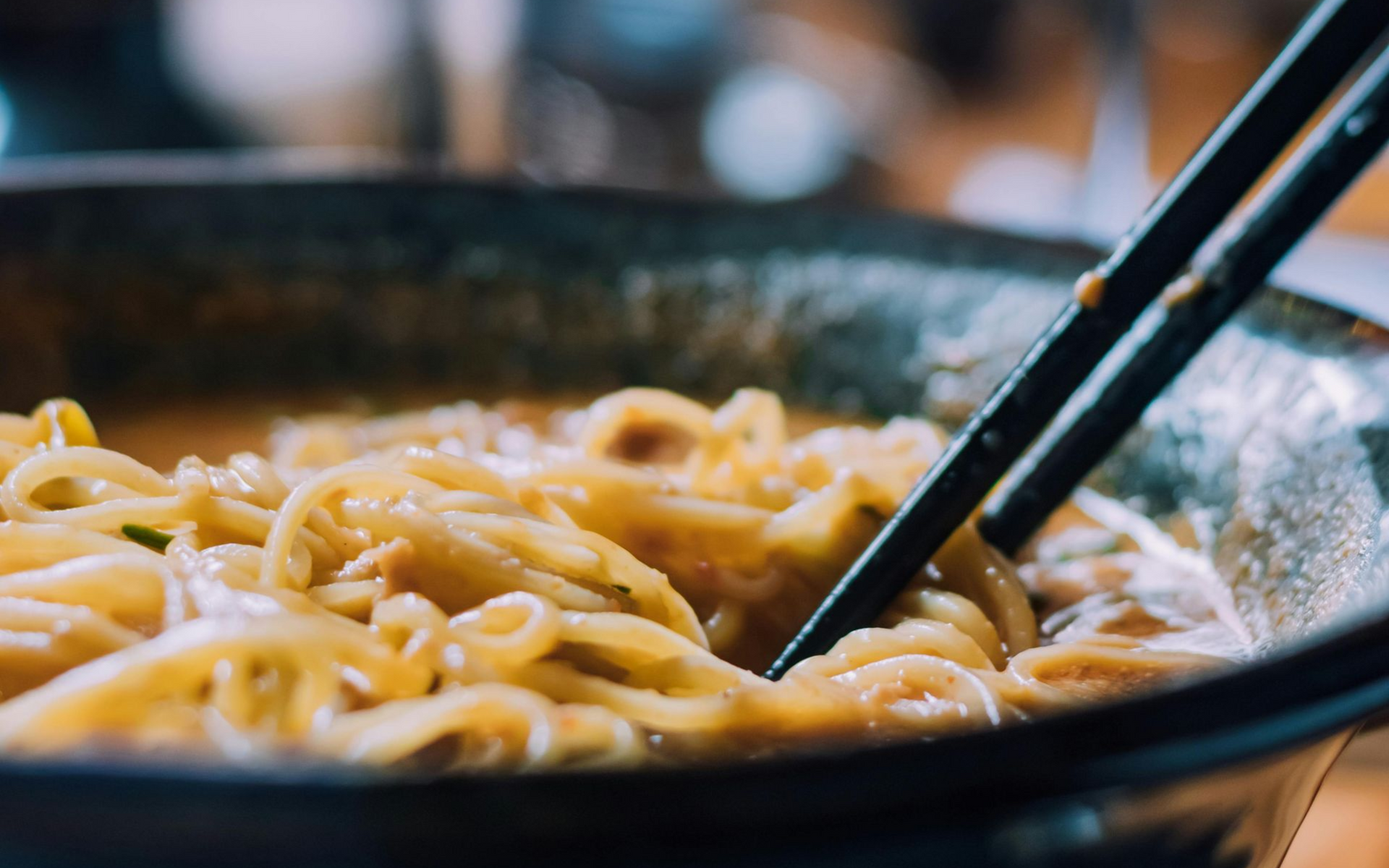
🍜 Slow-Stewed Noodle Soup — Cheng Thai
A comforting bowl that reflects the heart of Teochew cooking. The slow-stewed broth, simmered for hours, represents patience, family cooking traditions, and the warmth shared across Thai-Chinese homes.
🥟 Crab Wontons — Odeon Noodles
A Cantonese classic reimagined through Bangkok flavors. These plump wontons, packed with sweet crab, show how Chinese techniques merged with Thai ingredients to create something uniquely local.
🧅 Fried Chive Cakes — Jae Noi
A beloved Teochew street snack. Crispy, fragrant, and pan-fried to perfection — a tribute to the Chinese settlers who introduced chive cake culture to Thailand.
🥟 Shrimp Dumplings — Tim Dumplings
Dim-sum traditions brought to a Thai street corner. Handmade daily with fresh shrimp, these dumplings show how Chinatown preserved quality even after generations.
🥯 Char Siew & Custard Buns — Hua Seng Hong
Soft, warm, and nostalgic. These buns are more than a treat — they’re part of Bangkok’s family rituals, weekend gatherings, and the comfort food that shaped childhood memories for many Thai-Chinese families.
🥭 Mango Sticky Rice — Local Dessert Stall
A purely Thai dessert, yet deeply embraced by the Thai-Chinese community. It represents celebration, warmth, and the sweet finish to many family feasts.
⭐ How Chinatown Keeps Its Traditions Alive
What makes Yaowarat unforgettable isn’t just the food — it’s the people behind it.
- Grandparents still stirring the same pot their parents taught them to make
- Ingredients sourced from trusted markets passed down through generations
- Cooking techniques unchanged despite modernization
- Vendors who protect their family recipes like treasures
Chinatown isn’t merely surviving — it’s preserving.
🌶️ Why a Guided Tour Helps You Appreciate the Culture More
Anyone can walk through Yaowarat.
But not everyone understands it.
Your Foodprint guide brings:
- Stories from the community
- Context behind each dish
- Insider knowledge of family businesses
- Cultural insight that ties every flavor together
With a guide, you’re not just tasting—you’re learning, connecting, and appreciating the layers behind every bowl, bun, and dumpling.
🙋 FAQs
Is the tour more cultural or more food-focused?
Both — you’ll eat plenty, but the stories make each bite richer.
Do vendors speak English?
Most don’t — which is why having a local guide is essential.
Is the food very different from Chinese food?
Some dishes come from Chinese roots, but Thai influence gives them a unique twist.
Is this tour suitable for first-time Bangkok visitors?
Absolutely — it’s one of the best introductions to the city’s cultural heart.
🍽️ Ready to Taste the Culture of Bangkok?
Join Foodprint’s culturally rich Chinatown tour and experience the flavors, stories, and heritage that define Thai-Chinese identity.